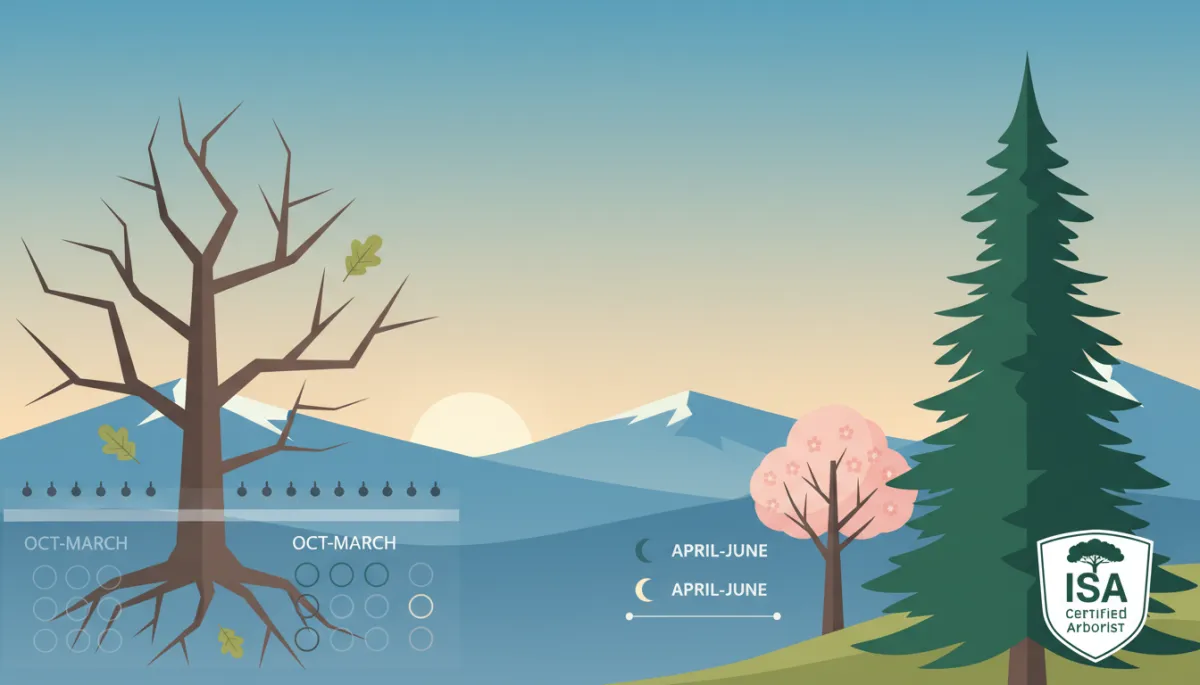
Tree Trimming Guide for Colorado Homeowners
Tree Care, Colorado Landscaping
When to Trim Trees in Colorado: A Month‑by‑Month Homeowner’s Guide
Colorado’s dramatic temperature swings, dry air, and sudden spring snowstorms make timing tree pruning especially important. Use this month‑by‑month guide to know when to trim different tree types, protect your landscape investment, and keep your property safe all year long.
Why Timing Matters for Colorado Tree Pruning
Pruning at the wrong time can stress trees, invite insects and disease, or create weak new growth just before a hard freeze or heavy snow. In Colorado’s climate, proper timing is critical for both tree health and safety. Well‑timed trimming:
Reduces the risk of broken limbs during windstorms and spring snow events
Helps wounds seal quickly, lowering disease and pest pressure
Supports strong structure, better shade, and long‑term stability
💡 Key Tip: When in doubt about timing or safety, schedule an on‑site assessment with an ISA Certified Arborist. They can evaluate species, age, and condition before any cuts are made.
The Best Time for Dormant Season Pruning in Colorado
For most shade trees, the ideal pruning window is the dormant season—after leaves drop in fall and before buds swell in spring. In much of Colorado, that typically means:
Late November through early March at lower elevations
Slightly shorter windows in higher, colder areas
During dormancy, trees are less likely to “bleed” sap, insect activity is low, and branch structure is easy to see. This is the best time for structural pruning, size reduction, and removal of dead or crossing limbs on many species, including maples, ashes, and most ornamental trees.
Month‑by‑Month Tree Trimming Guide for Colorado
January–February: Prime Dormant Pruning
Deep winter is often the safest time to tackle major pruning on many deciduous trees. Focus on:
Structural pruning of young shade trees to establish strong branch angles
Removing dead, diseased, or storm‑damaged branches before spring growth
March–April: Transition to Spring & Spring‑Flowering Trees
As temperatures warm and buds begin to swell, be more selective. For spring‑flowering trees such as crabapples, cherries, plums, serviceberries, and lilacs, timing is crucial:
Do not prune heavily before they bloom or you will remove flower buds and reduce spring color.
Instead, prune immediately after flowering—usually late April through May—so the tree has the rest of the growing season to set buds for next year.
May–June: Light Touch and Safety Trimming
With leaves fully out, limit pruning to lighter work:
Removing small dead twigs and broken branches from storms
Raising low branches that block sidewalks, driveways, or street visibility
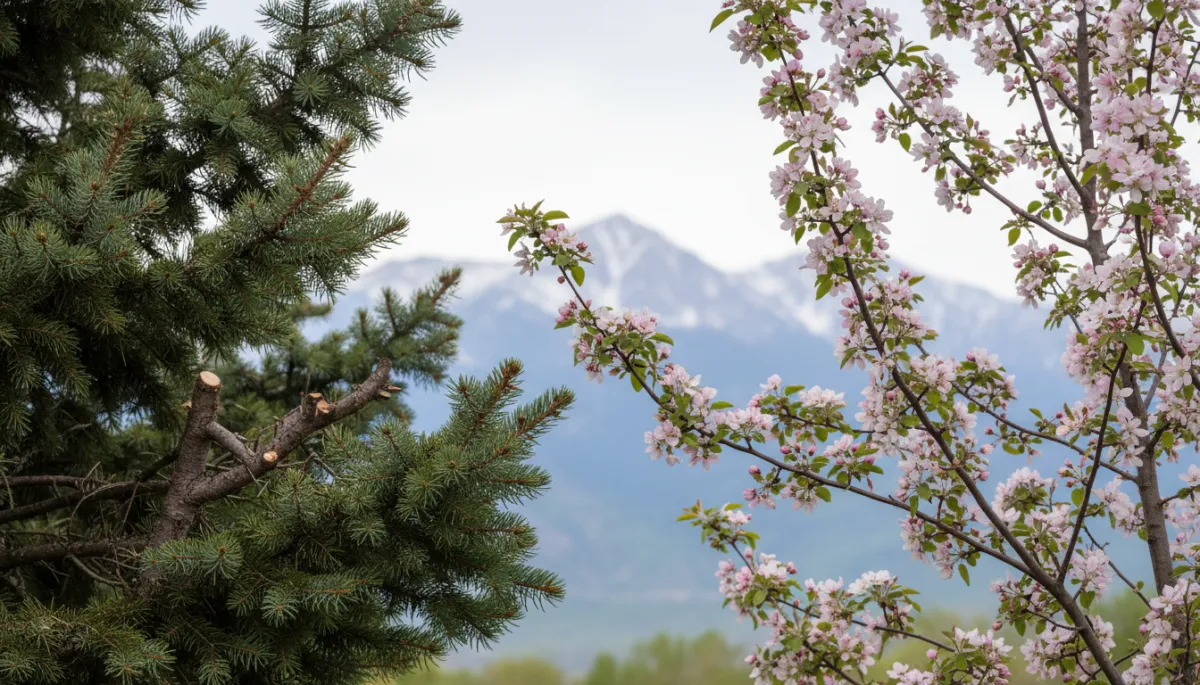
Correctly timed cuts help Colorado trees resist pests, disease, and storm damage.
July–August: Mid‑Summer Caution
In hot, dry Colorado summers, avoid aggressive pruning that can stress trees. Reserve mid‑summer trimming for:
Hazard branches that threaten roofs, power lines, or play areas
Minor shaping and clearance pruning, ideally under an arborist’s guidance
September–October: Fall Clean‑Up & Planning
Early fall is a good time to schedule a professional tree assessment and plan winter work. Light removal of deadwood is usually safe, but hold off on major structural pruning until trees are fully dormant again.
November–December: Back to Dormant Pruning
Once leaves drop, the dormant pruning window reopens. This is an excellent time for larger projects, especially when handled by an ISA Certified Arborist with proper equipment and insurance.
Special Timing Rules: Elms, Oaks, Spring‑Flowering Trees, and Evergreens
Elms: Avoid Peak Beetle Activity
Elms are vulnerable to Dutch elm disease, spread by elm bark beetles attracted to fresh pruning wounds. In Colorado, the safest approach is:
Prune only in the coldest dormant months, typically November through February.
Avoid pruning elms in spring and summer when beetles are active.
Oaks: Protect Against Oak Wilt and Other Diseases
While oak wilt is more common east of Colorado, it is wise to follow disease‑prevention timing:
Schedule oak pruning during dormant winter months, when sap‑feeding insects are inactive.
Avoid pruning oaks in late spring and early summer unless there is an urgent safety hazard.
Spring‑Flowering Trees: Prune Right After Bloom
As noted earlier, spring‑blooming ornamentals form flower buds the previous season. To preserve showy blossoms:
Wait until immediately after flowering to thin, shape, or reduce size.
Limit cuts to what is necessary for structure, clearance, and air flow.
Evergreens: Light, Well‑Timed Pruning
Colorado’s pines, spruces, and firs need a different approach. Evergreens generally do best with light, periodic pruning rather than heavy cuts:
For most species, aim for late winter to early spring before new growth (“candles”) fully extends.
Avoid cutting back into old, bare wood on many evergreens, which may not re‑sprout.
When to Call an ISA Certified Arborist
Any time you are unsure about timing, species‑specific rules, or safety, it is wise to consult an ISA Certified Arborist. They can:
Inspect trees for hidden decay, structural weaknesses, and pest issues
Recommend the safest and healthiest pruning schedule for your specific Colorado location
Perform technical pruning and removals using proper safety gear and techniques
📌 Bottom Line: Smart timing is one of the simplest ways to keep your Colorado trees healthy, beautiful, and safe. Pair a good calendar with expert guidance from an ISA Certified Arborist, and your landscape will reward you for years to come.


