Is Your Tree Dead or Dormant? Identify Now
Pest & Disease • Is My Tree Dead?
Is Your Tree Dead or Dormant?
Wondering, “is my tree dead, or just taking a break?” Knowing the difference between a dead or dormant tree is essential for safety, curb appeal, and long‑term tree health—especially in Colorado’s tough, swingy climate.
Dead or Dormant Tree: Why It Matters
During late fall, winter, and even early spring, many Colorado trees look lifeless. Branches are bare, the trunk looks dull, and there’s not a leaf in sight. That doesn’t always mean you have a dead tree. A dormant tree is very much alive—it has simply shut down visible growth to conserve energy and survive cold, dry conditions.
The difference matters. A truly dead tree can become unstable, drop limbs, attract pests and disease, and pose a serious risk to people, pets, homes, and power lines. On the other hand, removing a healthy but dormant tree is a costly mistake that robs your property of shade and value. That’s why learning how to tell if a tree is dead—or just sleeping—is so important for Colorado homeowners.
How to Tell If a Tree Is Dead: Simple At‑Home Checks
If you’re searching online for is my tree dead or signs of a dead tree, start with these basic tests. They’re the same core clues a Colorado arborist will look at during an inspection.
1. The Scratch Test (Cambium Check)
Pick a small twig or branch and gently scratch away a thin layer of outer bark with your fingernail or a clean knife. On a dormant tree, the tissue underneath (called the cambium) should be green and slightly moist. On a dead tree, it will be brown, dry, or brittle.
2. Twig Flexibility Test
Gently bend a small twig. A living or dormant twig usually has some flex before it snaps, and the inside should look moist or greenish. A dead twig will be stiff, brittle, and snap cleanly, often with a dry, gray or tan interior. Test several twigs on different parts of the tree—if most are brittle, that’s a strong sign the tree may be dead or dying.
3. Buds and New Growth Potential
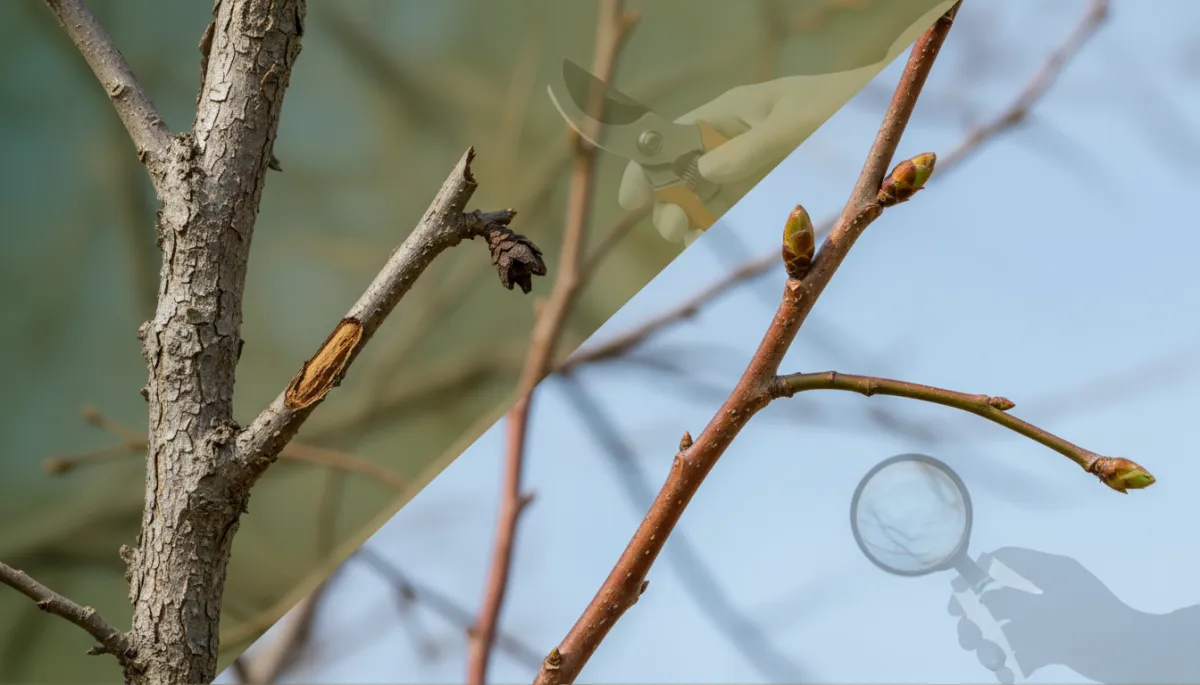
On a dormant tree, you’ll often see small buds on the tips of twigs, even in winter. They may be tight and dry on the outside, but they’re present and usually plump. A tree that is truly dead will have no visible buds, or the buds will be shriveled, flat, or flaking off. In early spring in Colorado, a lack of swelling buds or leaf‑out—while neighboring trees of the same species are greening up—is a red flag.
4. Trunk and Bark Condition
Walk around the tree and inspect the trunk. Warning signs of a dead or failing tree include:
Large areas of missing or peeling bark that don’t grow back
Deep cracks, splits, or cavities in the trunk
Significant fungal growth (mushrooms or conks) on the trunk or at the base
Sections of the trunk that sound hollow when tapped
A dormant tree may have rough or weathered bark, but it should not be falling off in large sheets or riddled with deep structural defects.
5. Seasonal Timing in Colorado
In Colorado, seasonal timing is a huge clue when evaluating a dormant tree Colorado versus a dead one. Many species leaf out later at higher elevations, and sudden spring freezes can delay bud break. However, if similar trees nearby are fully leafed out and yours is still bare, brittle, and bud‑less, it’s time to take “how to tell if a tree is dead” seriously and call in a pro.
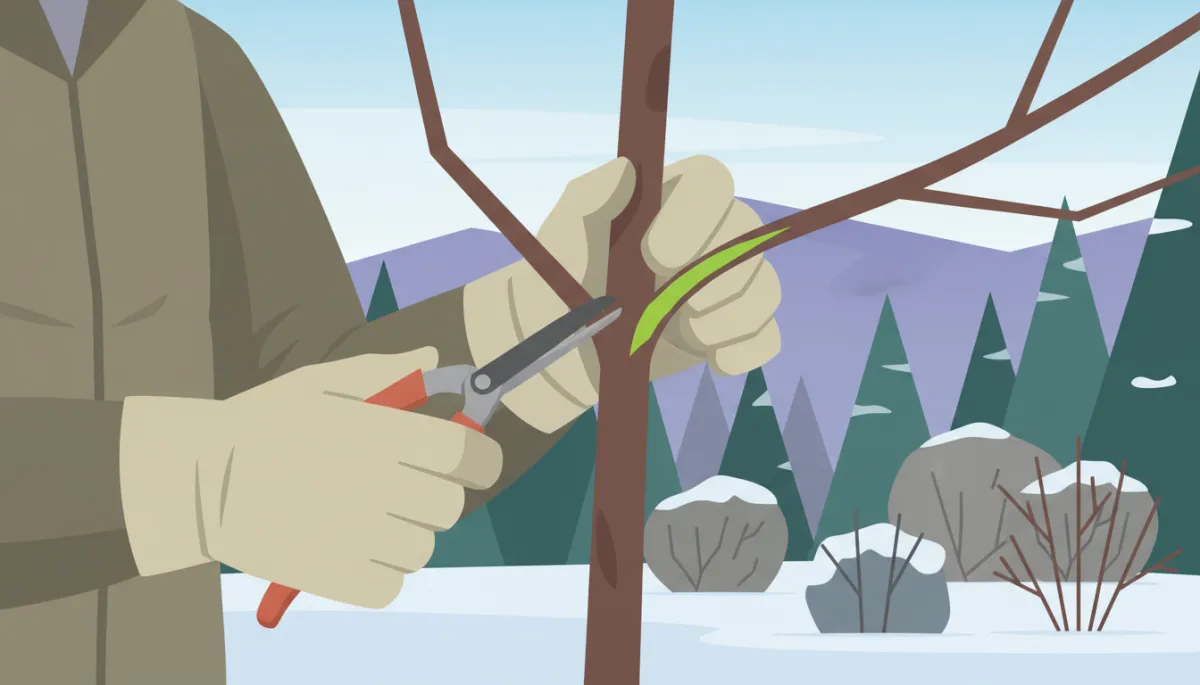
A quick scratch test reveals if a bare Colorado tree is alive or failing.
Signs a Colorado Arborist Checks Before Calling a Tree Dead
When you bring in a certified arborist, they won’t rely on just one test. They combine several indicators to distinguish a dead or dormant tree:
Results of the scratch test on multiple branches and at different heights
Twig flexibility and the percentage of dead versus live branches in the canopy
Presence, size, and health of buds compared to nearby trees of the same species
Overall trunk condition, root flare health, and any signs of pests or disease
Site history (drought stress, construction damage, irrigation changes, early or late frosts)
This combination of clues helps answer the big question behind so many searches—“how to tell if a tree is dead”—with confidence instead of guesswork.
When to Call a Professional Arborist
Some cases are clear‑cut, but many Colorado trees live in a gray area between stressed, partially dead, and fully dormant. You should consult a professional if:
The tree leans toward a house, driveway, sidewalk, or play area
You see large dead branches over structures or high‑traffic spaces
Mushrooms, cavities, or major cracks appear on the trunk or at the base
Your at‑home tests conflict, and you’re still unsure if it’s a dead or dormant tree
💡 Safety First: Never climb or cut a potentially dead tree yourself. Compromised wood can fail without warning, and professional arborists have the training and equipment to assess and remove hazardous trees safely.
The Bottom Line: Don’t Guess with Tree Safety
If you’re still asking yourself, “is my tree dead?” after trying the scratch test, twig flexibility, and bud check, it’s time for expert eyes. Correctly identifying a dead or dormant tree protects your home, your family, and the long‑term health of your landscape. In Colorado’s harsh, changeable climate, that peace of mind is worth a quick visit from a certified arborist.
Author: Derek Stroden — Founder & ISA Certified Arborist


